Developing a Future State IT Service
Delivery Platform for USDA OCIO

Introduction

Aminad helped the USDA Office of Chief Information Officer (OCIO) develop a future state service delivery platform that is customer-focused, data-driven, inclusive, and adaptable. Aminad utilized a leading services delivery framework to measure OCIO’s current state maturity as an organization. This led to a future state model and tangible recommendations in the areas of communication, customer experience, service delivery optimization, transparency, and innovation. With Aminad’s help, OCIO now has a future state vision designed to change culture, sustain the culture changes over time, and move towards a customer first, continuously contemporary focus.

Challenge

Beginning under the administration of former Secretary Perdue, USDA IT underwent significant disruption leading to substantial changes (e.g., consolidation of IT services, restructuring of agencies into Mission Areas), new initiatives (e.g., leading IT modernization through Centers of Excellence, emphasis on innovation in IT), and an increased focus on customer experience. Although the disruption was positive, the changes created fragmented outputs and a lack of integration, leaving OCIO struggling to turn those changes into a consistent and scalable service delivery platform.

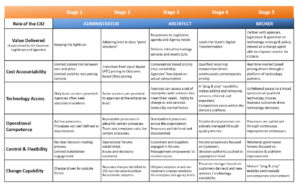
Figure 1. Service Delivery Maturity Framework

Figure 1. Service Delivery Maturity Framework

OCIO leadership – the CIO, Deputy CIO, and Chief of Staff –needed a clearer vision of its role, a stronger approach to sustaining change, and more consistent service management practices. They turned to an expert consulting team, including Aminad, to develop a cohesive and clearly stated vision of a mature, integrated service delivery operating platform.
Approach

Aminad began with a current-state assessment of OCIO’s service delivery using a maturity framework, informed by survey results, more than 25 stakeholder interviews, and review of over 100 documents and data files. That assessment surfaced several core issues: unclear role and vision, weak sustainability of change, inconsistent management practices, and limited adoption of shared-services best practices.


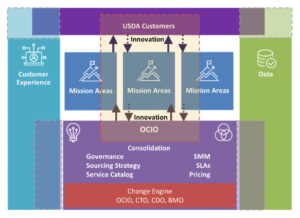
Figure 2. OCIO Service Delivery Future State Platform
The team then facilitated a cross-functional working group with OCIO and Mission Area stakeholders to define the foundational elements of a future-state platform. These included clearer communications, stronger use of data, transparency and agility, alignment to multi-supplier best practices, and support for innovation through Mission Area leadership. Aminad also helped shape several implementation programs, including Communities of Practice, a Communications Renewal Program, a Service Delivery Optimization Program, and a Customer Experience and Transparency Program.

Aminad’s Unique Value to USDA OCIO

Aminad’s subject matter expertise helped quickly identify service delivery challenges

Facilitating collaboration within OCIO and across Mission Areas helped ensure buy-in on the proposed future state model

Practical and actionable recommendations and a roadmap that can lead to real success

Impact

The effort gave OCIO a future-state vision and a practical roadmap for maturing its service delivery model. It also helped build stakeholder buy-in from the Secretary on down, while establishing the foundation for sustained culture change and continued implementation.

Aminad’s support helped the OCIO launch implementation through cross-functional Communities of Practice and begin to operationalize a more customer-focused, data-driven, and adaptable service delivery platform.